Cleaning removes dirt, dust, and debris from a surface. Sanitizing reduces germs to a safe level. Disinfecting kills germs outright. They're related but not interchangeable - and a space can look clean without being sanitized or disinfected at all.
Cleaning: removing what you can see
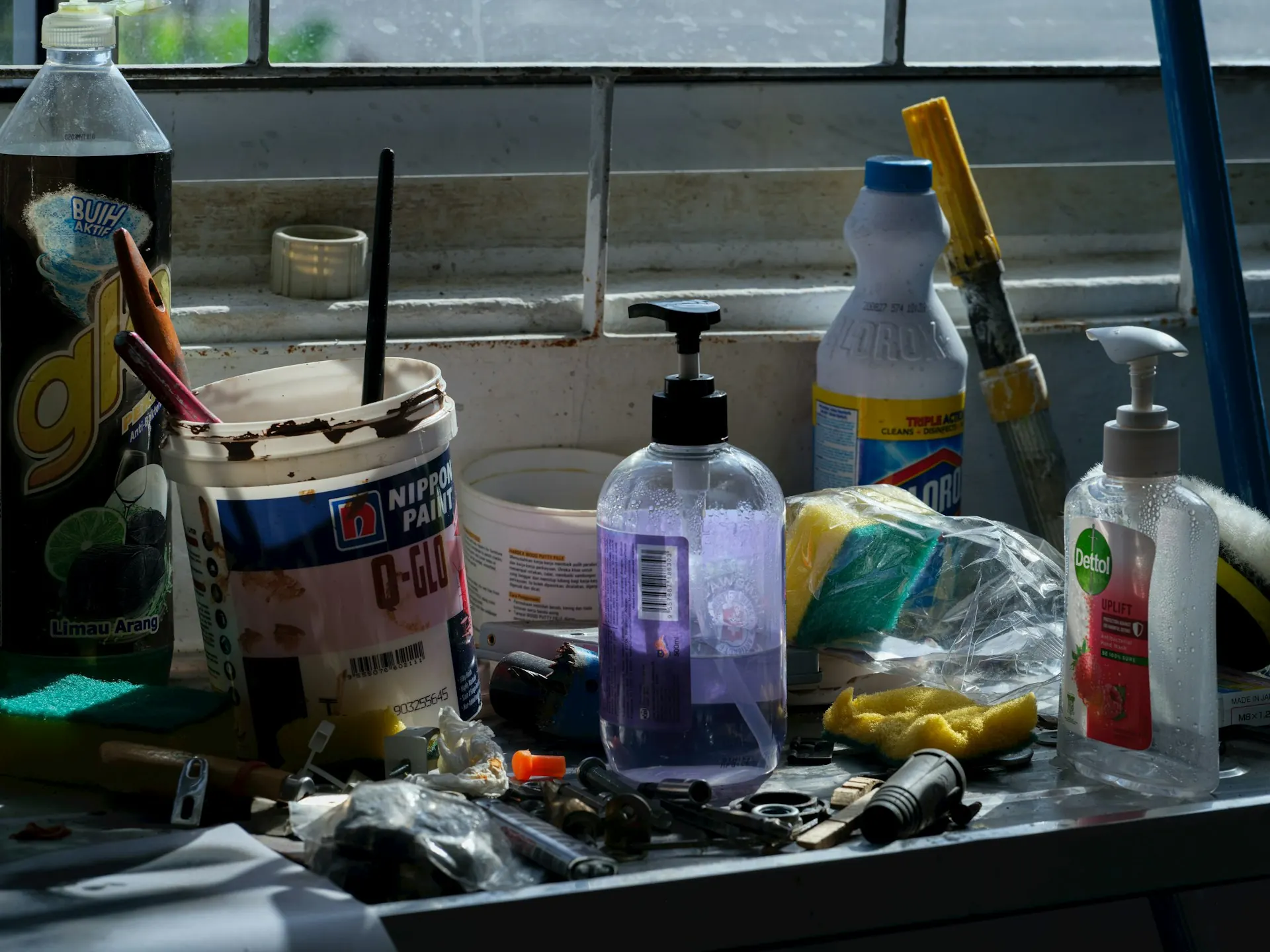
Cleaning is the physical removal of dirt, dust, crumbs, and debris using soap or detergent and water. It doesn't necessarily kill germs - it removes them along with the surface grime, which does reduce their numbers, but it's not the same as targeting germs specifically.
This is the foundation every other step builds on. Sanitizing or disinfecting a visibly dirty surface is less effective, because organic material can shield germs from the product doing the work.
Sanitizing: reducing germs to a safe level
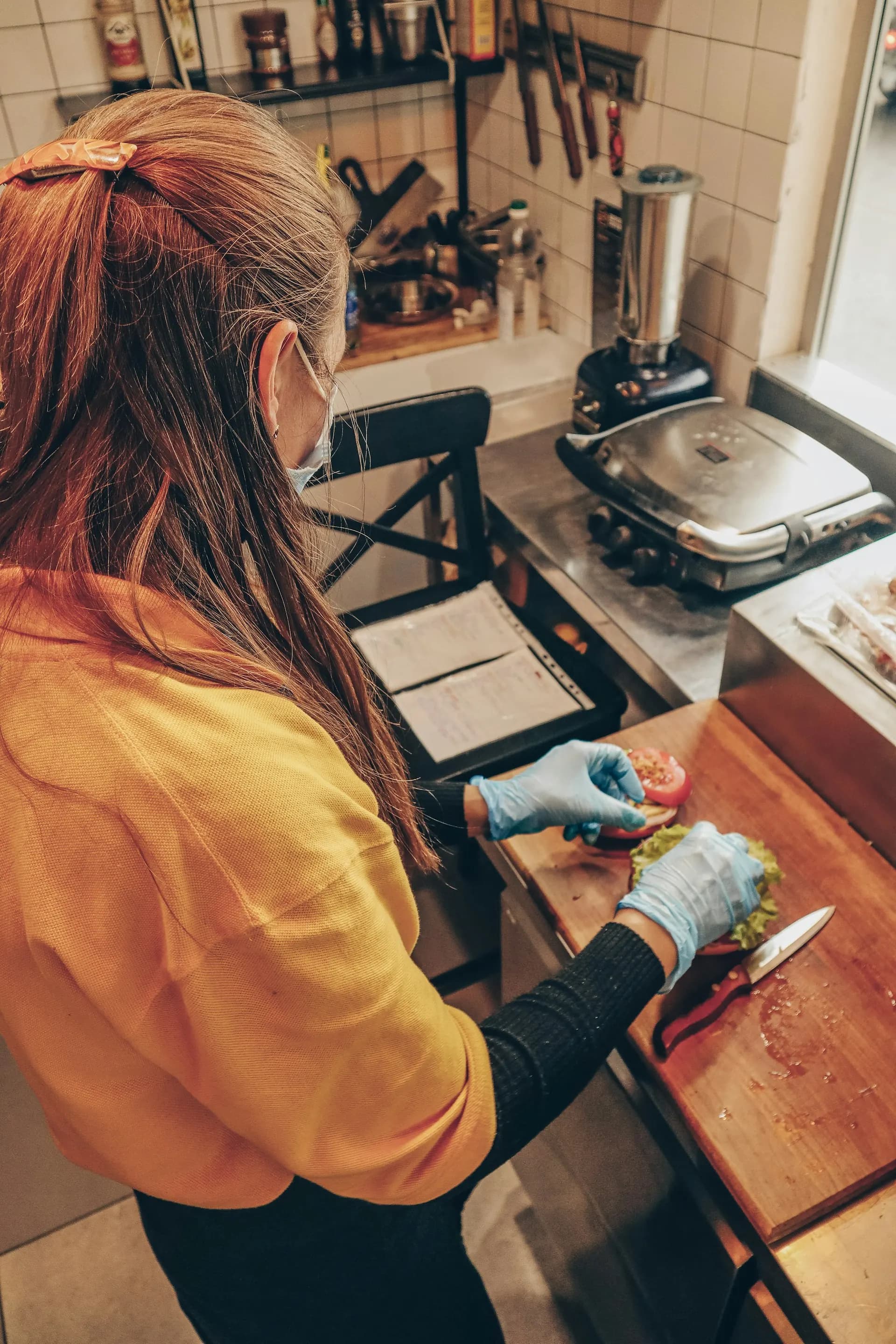
Sanitizing lowers the number of germs on a surface to a level considered safe by public health standards - it doesn't necessarily kill all of them. This is the standard used for things like food-contact surfaces in a kitchen or restaurant, where the goal is a safe level, applied frequently.
Disinfecting: killing germs outright
Disinfecting uses chemicals specifically formulated to kill a higher percentage of germs, including viruses and bacteria, on a surface. It typically requires the product to stay wet on the surface for a specific contact time to be effective - wiping it off too soon reduces its effectiveness.
This is why high-touch disinfection (door handles, light switches, shared equipment) is called out separately in a cleaning scope of work - it's a distinct step, not just a more thorough version of cleaning.
Need this handled, not just explained?
Get a free, no-obligation quote and we'll take it from here.