A restaurant that's always inspection-ready isn't doing anything special the week of an inspection - it's running the same front-of-house and back-of-house cleaning routine every day, so there's nothing to scramble to fix when an inspector walks in unannounced.
Front-of-house: what guests see, and what inspectors check anyway
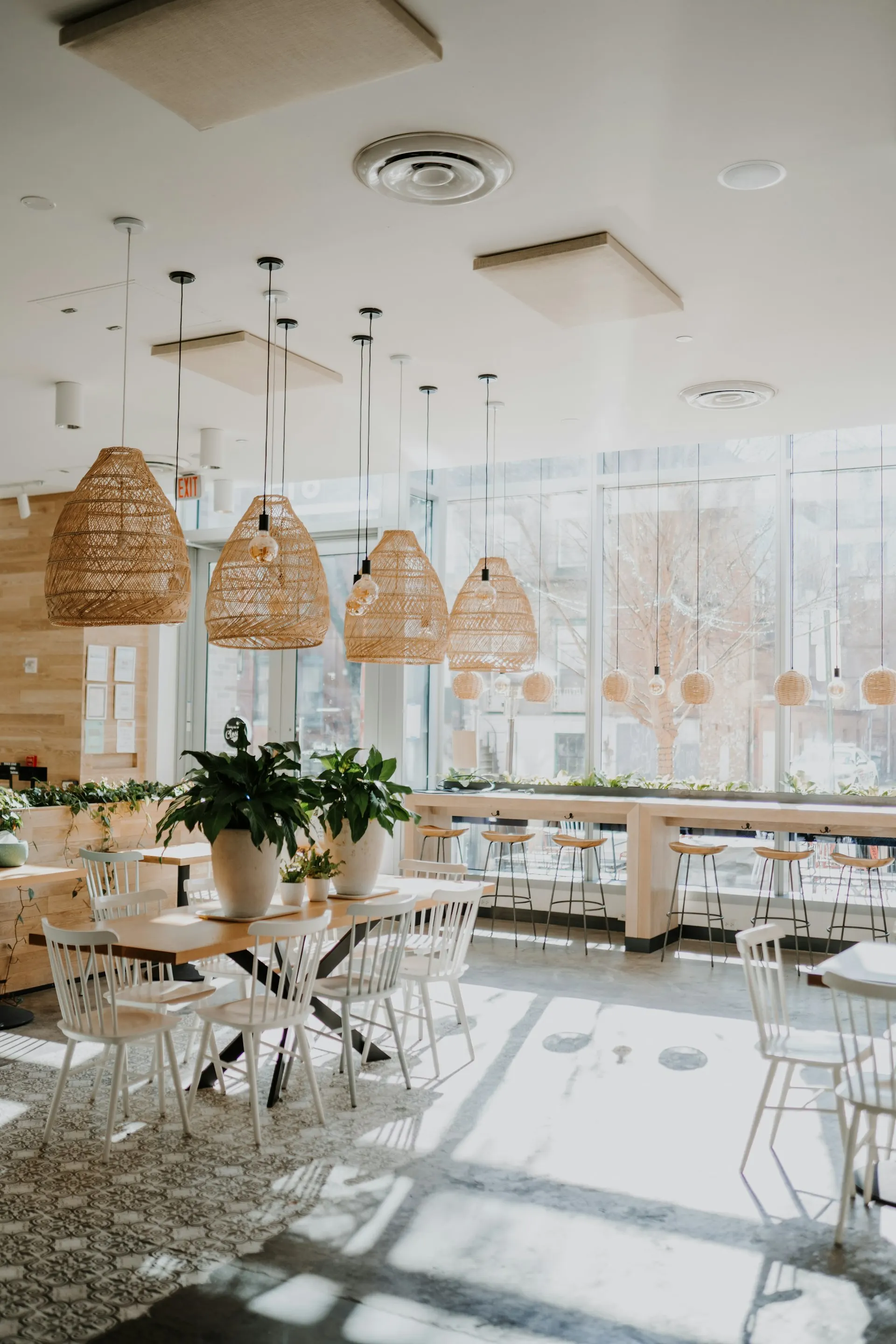
Dining areas need daily attention to floors, tables, and high-touch surfaces - but inspectors also look at things guests rarely notice: baseboards, vents, and the areas behind and under furniture where crumbs and grease accumulate over time.
- Tables, chairs, and booths cleaned and disinfected between uses
- Floors swept and mopped, with attention to corners and under seating
- Washrooms disinfected and restocked throughout service, not just at open and close
- Entryway and host stand kept clean and presentable during peak hours
Back-of-house: the areas that actually determine a pass or fail
Non-food-prep back-of-house areas - walk-in exteriors, floor drains, storage shelving, staff areas - are where health inspections most often find issues, precisely because they're less visible to guests and easier to deprioritize during a busy service.
Grease buildup around cooking equipment exteriors, floor mats, and drains needs regular attention beyond a quick end-of-night wipe-down, since grease accumulates gradually and becomes harder to remove the longer it sits.
Why a consistent schedule beats a pre-inspection scramble
Deep cleaning right before a known inspection date doesn't fix the gap between inspections - and inspections are often unannounced anyway. A recurring cleaning schedule for non-food-prep areas, layered on top of daily staff cleaning during service, closes that gap consistently rather than only around inspection dates.
Need this handled, not just explained?
Get a free, no-obligation quote and we'll take it from here.